Direction Beats Chaos™

Direction on AI. Integration after the close.

We work with leadership teams at mid-size companies on two problems that increasingly show up together: getting real direction on AI, and making an acquisition work after the deal closes.

Which one sounds like you?

Brass compass on a navigation chart with glowing route lines

Your AI pilots are multiplying, or stalled.

Everyone is experimenting. Nobody can say which experiments matter, which ones should stop, or what the plan is when the board asks. You don’t have an AI problem. You have a direction problem.

Ship's crew gathered on deck under a sky of circuitry

The deal closed. The two companies didn't.

On paper the fit was obvious. In practice, two sets of teams, systems, and incentives are still pulling against each other, and the value in the deal model is slipping a quarter at a time.

Whether it’s your company or a client’s, start with the situation.

Most companies are still drawing a box around AI

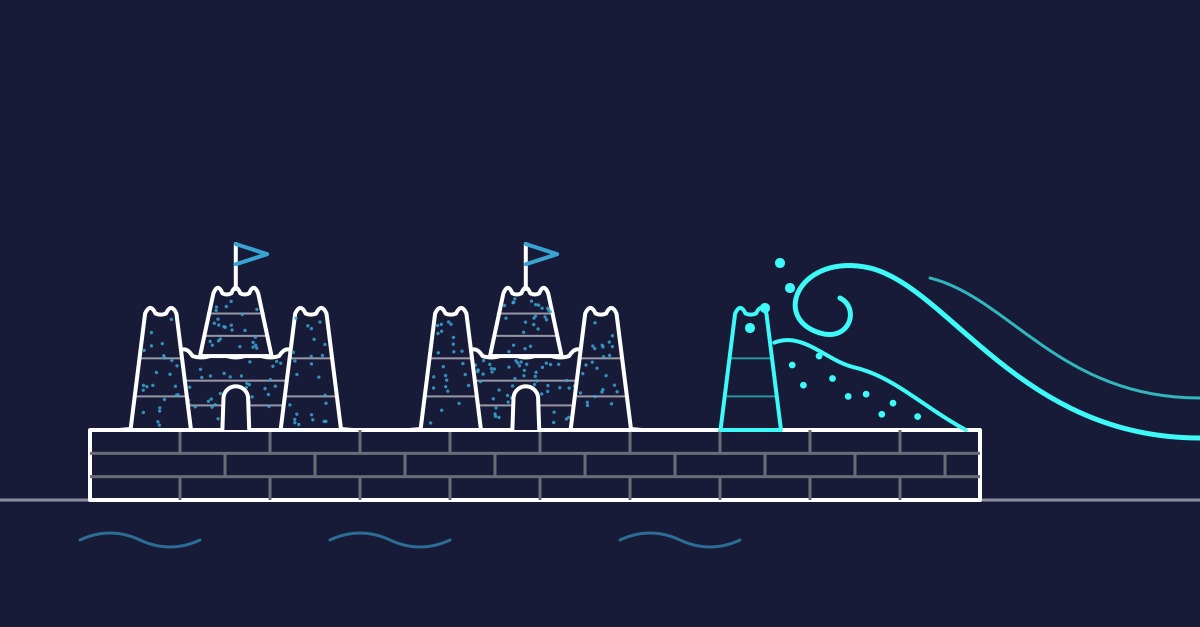
When computers showed up, everyone thought they were a back-office thing: payroll, accounting, the big math. Computers never stayed in that box. They ended up deciding who gets hired and how customers find you, and they brought problems nobody planned for, like viruses and entire security teams.

AI is doing the same thing. Most companies are still drawing the box, so what they end up with is a pile of AI experiments and no direction. We give them the direction.

The same pattern shows up after an acquisition. The integration plan covers systems and org charts. AI and the human operating system underneath (culture, incentives, how people communicate) get treated as something to sort out later. Later arrives fast.

How we work

Operators, not observers

We’ve run the kind of work we advise on: technology, operations, and integrations inside large companies. The advice comes from having sat in the chair.

Decisions, not decks

You won’t get a 300-page slide deck from us. We measure the work by the decisions it gets made: what to fund, what to stop, and who owns it.

We test on ourselves first

Pilot & Rutter runs on its own AI agent stack. When we tell you what’s worth doing and what’s a dead end, it’s usually because we’ve already hit it ourselves.

What it looks like when it works

AI pilots

Over half of an engineering organization engaged, and three pilots became new service lines or internal tools.

After the close

Two merged firms that had stopped collaborating realigned on one delivery model and one incentive plan, and cross-team work recovered.

Latest from Soundings

A weekly essay on why AI initiatives stall, and what leaders do about it.

Not sure which one fits?

Start with 20 minutes. No pitch. Tell us what’s going on, and we’ll tell you honestly whether we’re the right call.